The Heart of the Dish: Understanding Glutinous Rice
The foundation of perfect Thai coconut sweet sticky rice isn't just a method; it's a specific type of grain. To achieve that signature chewy, cohesive texture, you must use glutinous rice, also widely known as sweet rice or sticky rice. Don't be fooled by the name "glutinous" – it's naturally gluten-free! The term refers to its glue-like stickiness when cooked, a result of its high amylopectin starch content. When shopping, look for packages explicitly labeled "Thai sweet rice," "glutinous rice," or "sticky rice." You'll notice the grains are typically opaque, rather than translucent like jasmine or basmati rice. Both white and black glutinous rice varieties work beautifully for this dish, each offering a slightly different visual appeal and subtle flavor profile. Opting for the correct rice is non-negotiable; using any other type of rice will not yield the desired sticky, tender, and slightly elastic texture that defines this classic dessert. This is the single most crucial tip for success.Crafting the Creamy Dream: Essential Ingredients
Beyond the star rice, a handful of simple ingredients come together to create the irresistible coconut sauce that elevates this dish from ordinary to extraordinary. Quality matters here, so choose your components wisely.- Glutinous Thai Rice: As discussed, this is non-negotiable.
- Coconut Milk: Opt for full-fat, good quality coconut milk. This provides the essential creaminess and rich flavor. Avoid "light" versions, as they won't deliver the same luxurious texture or taste.
- Sweetener: Traditionally, cane sugar is used, but you can experiment with healthier alternatives like maple syrup, coconut sugar, or even a low-sugar substitute to make a healthy Thai sticky rice version. The goal is a balanced sweetness, not an overwhelming sugary blast.
- Salt: A pinch of salt is crucial. It’s the unsung hero that balances the sweetness and enhances the overall flavor profile, preventing the dish from tasting flat. Don't skip it!
- Pandan Leaf (Optional, but Recommended): For an added layer of authentic Thai fragrance, consider steaming your rice with a fresh or frozen pandan leaf. This tropical leaf imparts a subtle, vanilla-like aroma that deeply enhances the rice's flavor. While not strictly necessary, it truly elevates the dish to another level of authenticity and sensory delight.
- Tapioca Starch or Cornstarch (for sauce thickening): A small amount can be used to slightly thicken the coconut sauce, giving it a more luxurious, clinging consistency.
Steaming Your Way to Perfection: Methods for Every Kitchen
Unlike regular rice, glutinous rice is steamed, not boiled. Steaming ensures each grain swells perfectly, becoming tender and distinct without turning mushy. This process is key to achieving that signature chewy texture that so perfectly absorbs the sweet coconut milk.The Critical First Step: Soaking the Rice
Before any steaming begins, there's a vital prerequisite: soaking the rice. This step is absolutely non-negotiable for authentic Thai coconut sweet sticky rice. Soaking allows the grains to hydrate thoroughly and swell, which is fundamental for proper steaming and achieving that ideal sticky, yet individual, texture. Skipping this will result in hard, unevenly cooked rice.To soak:
- Place your glutinous rice in a large bowl.
- Cover it generously with cold water, ensuring the rice is fully submerged.
- Let it soak for a minimum of 4-5 hours, or ideally, overnight (8-12 hours) for the best results. While you might get away with 2 hours in a pinch, don't go any shorter.
- Once soaked, drain the rice thoroughly and rinse it under cold running water until the water runs clear. This removes excess starch, preventing it from becoming overly gummy.
For more in-depth insights into why soaking is crucial and to perfect your technique, check out our guide on Unlock Perfect Thai Sweet Sticky Rice: Soaking & Authentic Glutinous Rice.
Traditional Steaming Methods
The gold standard for steaming glutinous rice involves a bamboo steamer or a dedicated sticky rice steamer basket placed over a pot of boiling water.- Prepare your steamer: Line your steamer basket with a banana leaf (for extra aroma and non-stick properties) or a damp cheesecloth. This prevents the rice from falling through and sticking.
- Add the rice: Spread the soaked and drained rice evenly in the lined steamer basket. If using pandan leaves, tuck them in amongst the rice.
- Steam: Place the steamer basket over a pot of rapidly boiling water (ensure the water doesn't touch the rice). Cover tightly and steam for 20-30 minutes, or until the rice is tender, shiny, and translucent, with no hard bits in the center. Stirring halfway through (gently fluffing) ensures even cooking.
Household Alternatives for Steaming
Don't have a bamboo steamer? No problem! You can still achieve fantastic results using common kitchen items:- Sieve and Cheesecloth: Place a fine-mesh sieve over a pot of boiling water, ensuring the sieve doesn't touch the water. Line the sieve with a double layer of damp cheesecloth, add your rice, cover with a lid or another pot lid, and steam as above.
- Stovetop Pot with Colander: A heat-proof colander can work similarly to a sieve. Just ensure it fits snugly over your pot, creating a good seal for the steam.
- Instant Pot Method: While steaming is traditional, the Instant Pot offers a convenient alternative. Many recipes adapt glutinous rice for pressure cooking on a low-pressure setting with a short cook time, ensuring it retains its integrity. This can be a great option for speeding up the process without compromising too much on texture.
The Sweet & Salty Embrace: Making the Coconut Sauce
To make the sauce:
- In a saucepan, combine the full-fat coconut milk, your chosen sweetener (sugar, maple syrup, etc.), and a pinch of salt.
- Heat gently over medium-low heat, stirring constantly until the sugar dissolves completely and the mixture is warm, not boiling. Taste and adjust for sweetness and saltiness – it should be sweet but with a distinct savory counterpoint.
- If you prefer a slightly thicker sauce, whisk in a very small amount of tapioca starch or cornstarch mixed with a tablespoon of cold water (a slurry) into the warm coconut mixture and cook for another minute until it thickens slightly.
Once your rice is steamed and still warm, transfer it to a large mixing bowl. Pour the warm coconut sauce over the rice. Gently fold and stir the rice, allowing every grain to absorb the fragrant, sweet, and salty liquid. Cover the bowl and let it sit for at least 15-30 minutes to allow the rice to fully soak up the sauce. This resting period is crucial for the rice to develop its full flavor and glossy texture.
Assembly and Serving Suggestions
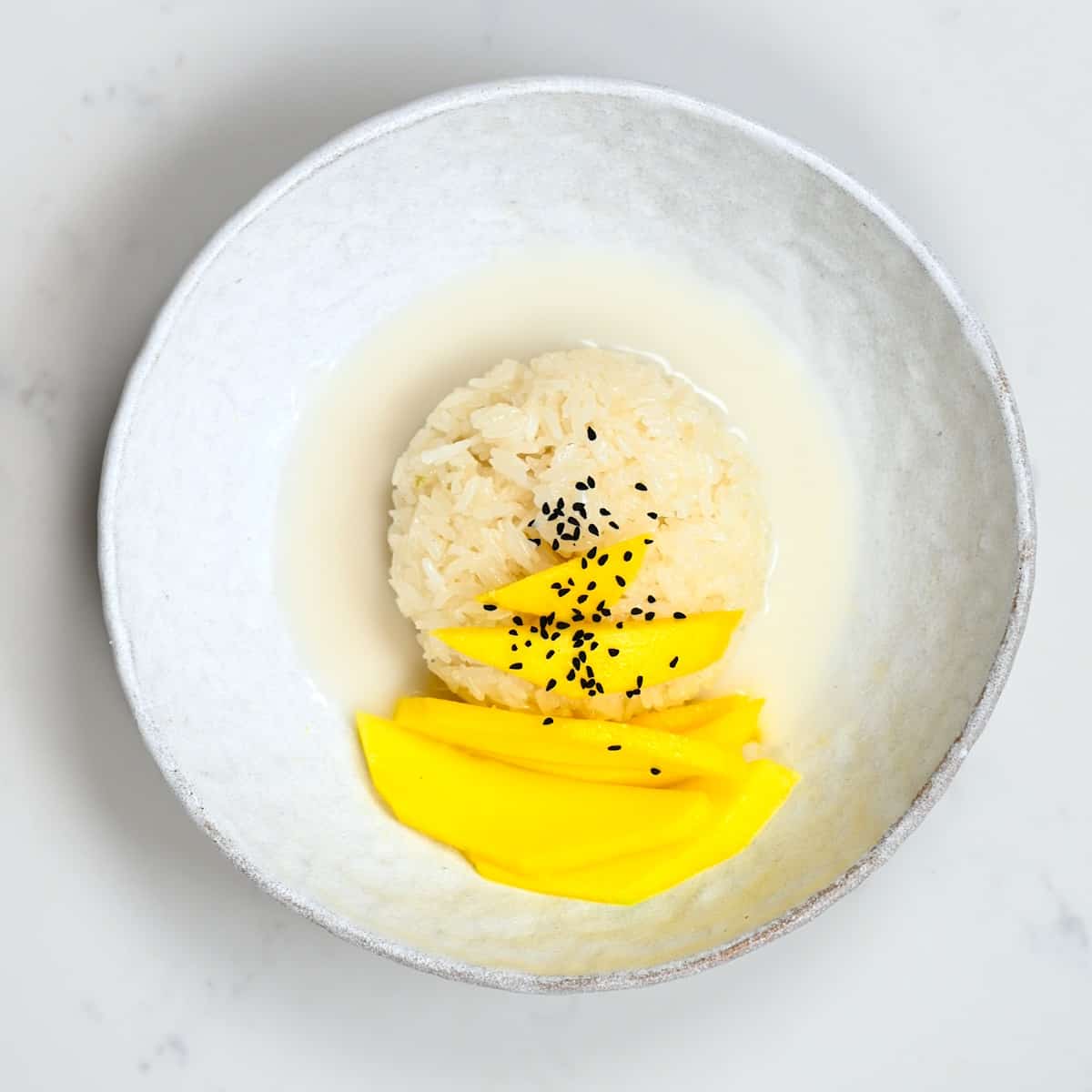
The most iconic pairing for Thai coconut sweet sticky rice is with ripe, fresh mangoes, creating the legendary Khao Niao Mamuang. The tropical sweetness and slight tartness of the mango perfectly complement the rich, creamy rice.To serve:
- Scoop a generous portion of the infused sticky rice onto a plate.
- Arrange slices of fresh, ripe mango alongside. Look for mangoes that are slightly soft to the touch and emit a sweet aroma.
- For an extra touch of elegance and flavor, drizzle a little extra unsweetened coconut cream over the top, or even a vibrant fruit coulis made from pureed berries or passion fruit.
- Beyond mango, experiment with other fresh fruits like durian, lychees, or berries for delicious variations.
Beyond the Basics: Tips for Success & Healthy Twists
- Don't Overcook: Over-steaming can lead to mushy rice. Keep an eye on the texture; it should be tender but still have a pleasant chew.
- Balance is Key: The sweet-salty balance in the coconut sauce is what makes this dish so compelling. Don't be afraid to taste and adjust!
- Serve Warm: While delicious at room temperature, Thai coconut sweet sticky rice is truly exceptional when served warm, as the flavors and textures are at their peak.
- Make it Healthy: As mentioned, this is a naturally healthy Thai sticky rice candidate! It’s inherently vegan and gluten-free. By adjusting the amount and type of sweetener, you can easily create a low-sugar version that retains all the deliciousness without the guilt. Fresh fruit pairings further enhance its healthy appeal.
- Storage: Leftovers can be stored in an airtight container in the refrigerator for up to 2-3 days. Reheat gently in a microwave or a steamer for best results.
